NEW: A selection of prints with free shipping and time limited 10% discount available - See Featured Product Store

Ballerina Art Prints : Capturing Movement Through Digital Creativity
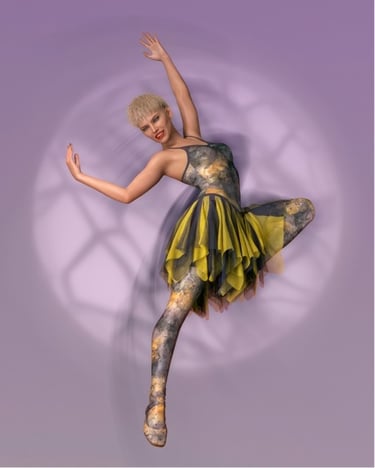
In this new series of ballerina artworks, movement becomes the muse. Each pose captures a fleeting instant of grace, suspended between energy and stillness. The photorealistic figures contrast beautifully with semi‑abstract backgrounds, where colour gradients and soft light halos evoke the stage’s atmosphere and the dancer’s inner world.
Philip Preston
6/20/20265 min read
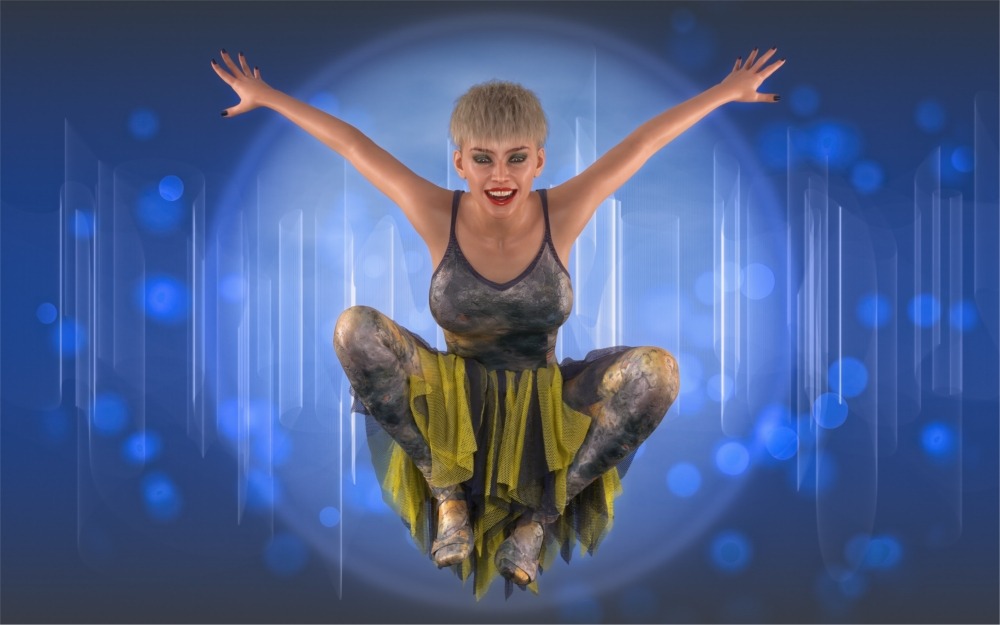
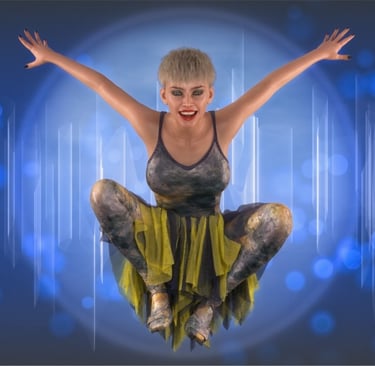
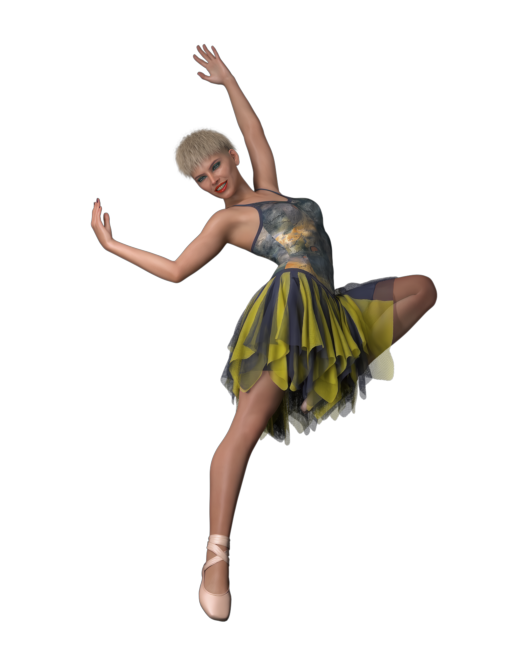
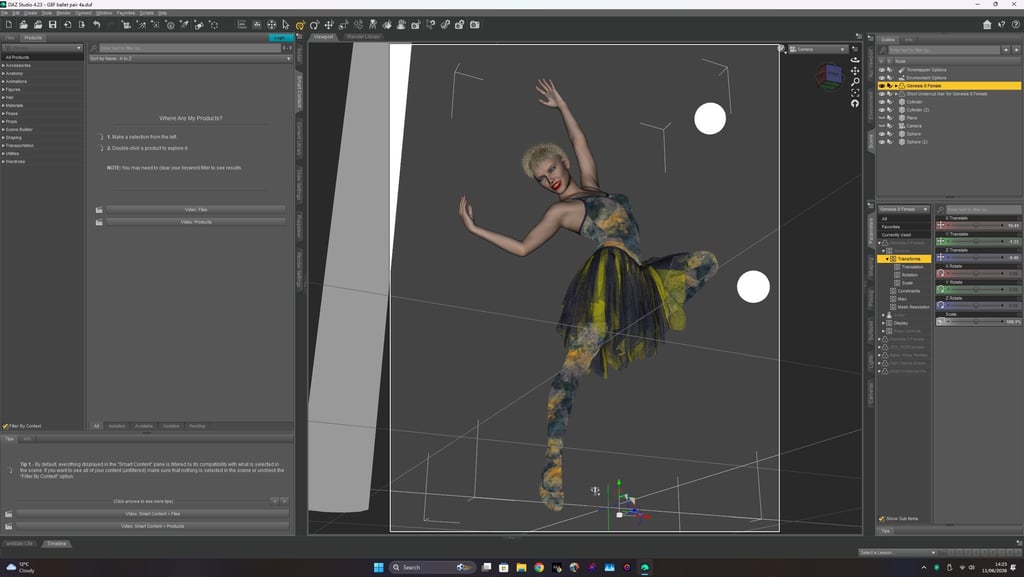
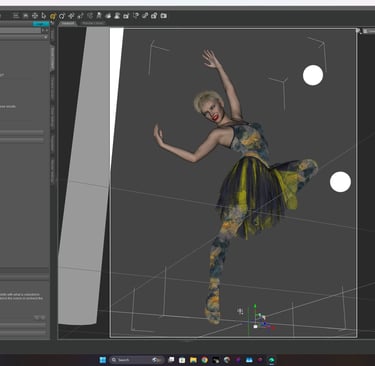
Behind The Scenes - My Digital Workflow: Creating each artwork in this ballerina series is a layered process — part choreography, part digital craftsmanship. The journey begins in DAZ Studio, where the pose, lighting, and overall structure of the piece take shape. I work with transparent PNG renders, which allow the dancer to be cleanly separated from the background. This gives me complete freedom later in the process to build an environment that enhances the movement rather than competing with it.
The pose is always the foundation. Ballet has its own visual language — long lines, lifted energy, expressive hands — so I spend time refining the angles of the limbs, the tilt of the head, and the balance of the body until the silhouette feels both authentic and elegant. Lighting plays a crucial role here too. I use it to emphasise muscle tone, fabric translucency, and the sense of motion, much like a stage designer shaping the atmosphere of a performance.
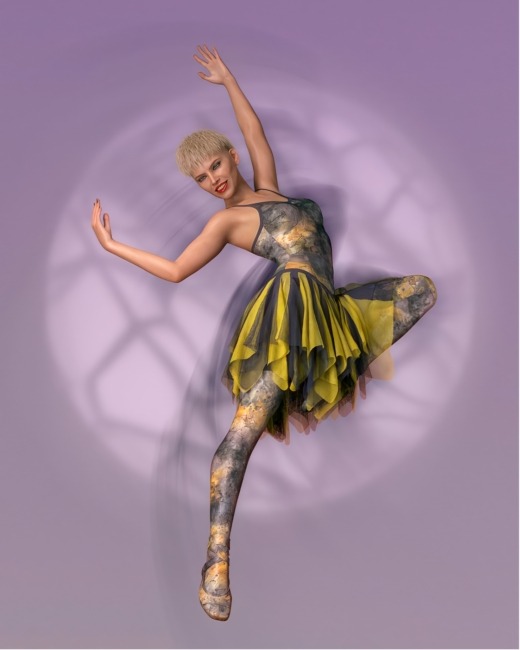
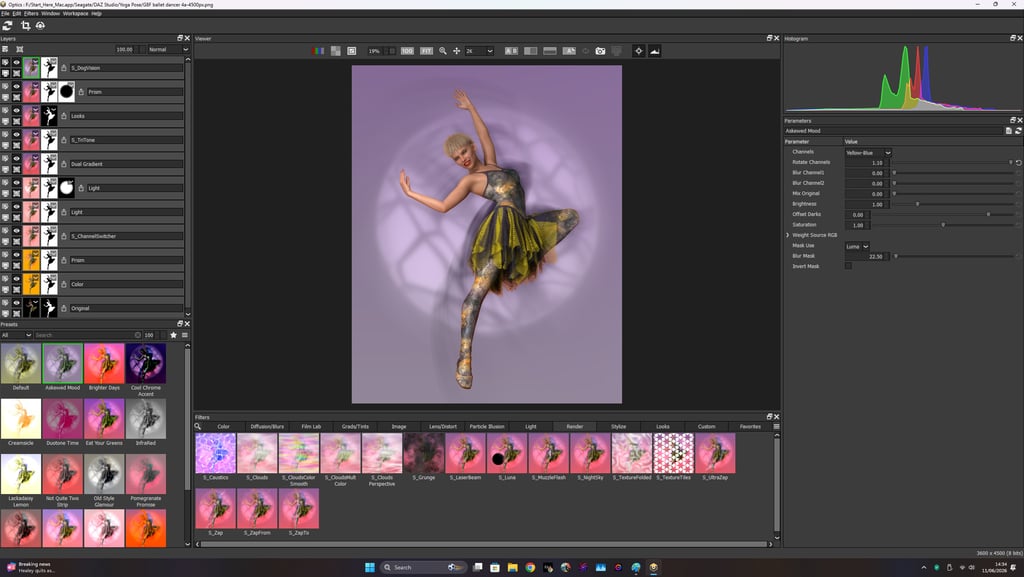
Once the figure is rendered, the artwork moves into Boris FX Optics, where the semi‑abstract backgrounds come to life. This is where colour, texture, and emotion take centre stage. Each piece has its own palette — sometimes warm and radiant, sometimes cool and ethereal — but all share a similar visual language: soft gradients, circular light patterns, subtle textures, and swirling elements that echo the dancer’s movement. These layers help create a sense of depth and rhythm, almost like the air around the dancer is in motion.
The final stage is about integration. I blend the figure and background so they feel part of the same world, adjusting colour harmony, softening edges where needed, and adding small accents that guide the viewer’s eye. The goal is always the same: to preserve the photorealism of the dancer while surrounding her with an expressive, atmospheric space that amplifies the emotion of the pose.
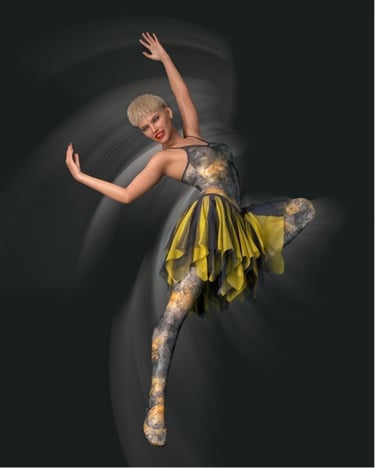
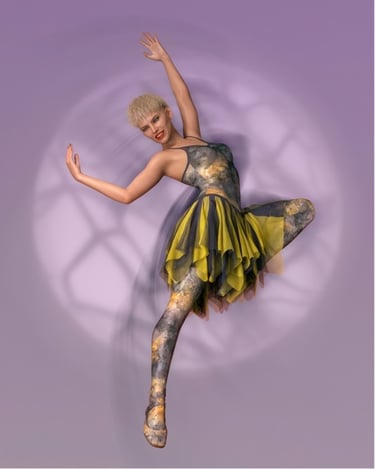
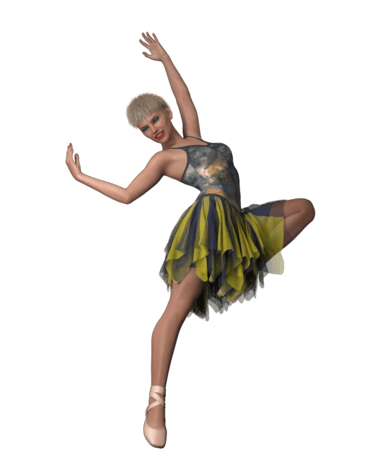
To give a clearer sense of how the artwork evolves, I’ve included a pair of behind‑the‑scenes images below — the raw DAZ Studio render and the finished piece. Many people find this transformation fascinating, and it highlights just how much of the final mood and storytelling emerges in the post‑processing stage.
The images below are a new series of digital artworks showcasing a selection of ballerina poses. Each pose captures a fleeting instant of grace, suspended between energy and stillness. The photorealistic figures contrast beautifully with semi‑abstract backgrounds, where colour gradients and soft light halos evoke the stage’s atmosphere and the dancer’s inner world.
The Language Of Dance And Art: Dance and visual art share a common vocabulary: balance, rhythm, composition, and expression. A choreographer arranges motion as a painter arranges form and colour. Both seek harmony between tension and release. In these images, the dancer’s gestures echo the brushstroke — deliberate yet spontaneous — reminding us that art, like dance, is a dialogue between control and freedom.
Capturing Motion In Stillness: To portray movement in a static image is to capture time itself. Every curve of the body, every fold of fabric, must suggest momentum and emotion. The challenge lies in preserving the illusion of flow — the sense that the dancer might leap again at any moment. Through pose selection, lighting, and layered textures, these compositions transform stillness into rhythm.
The Ballerina As Muse: From Degas’ pastel sketches to modern photography, the ballerina has long symbolised elegance, discipline, and transcendence. She embodies the pursuit of perfection — the artist’s eternal quest to express beauty through effort. In digital form, this muse evolves: her grace rendered through pixels and light, her vitality preserved in virtual space. The result is timeless yet contemporary, bridging tradition and technology.
Colour, Light And Emotion: Color becomes choreography. The interplay of warm and cool tones, the translucent layers of fabric, and the circular light patterns all dance together to create mood and movement. The backgrounds — gradients of lilac, rose, teal, blue and grey — act as emotional landscapes, amplifying the dancer’s presence. Each hue carries rhythm; each shadow, a heartbeat.
Invitation To View The Series: This collection invites viewers to experience movement through stillness, to feel rhythm in colour and emotion in form. Each artwork is a moment of performance frozen in time, a celebration of creativity and motion.
These pieces work beautifully in a variety of spaces:
Living rooms, where soft lighting and open wall space allow the colours to breathe
Bedrooms, offering a calming, elegant focal point
Home offices or creative studios, where the sense of movement adds inspiration
Hallways and entrance areas, where a tall, vertical composition creates instant impact
Dance schools, yoga studios, or wellness spaces, where the theme resonates naturally
The full ballerina series, along with details of print types and finishing options such as framed or canvas, can be explored further here on this website, and additionally on my Fine Art America / Pixels store, where these digital dancers await their stage in homes and galleries.
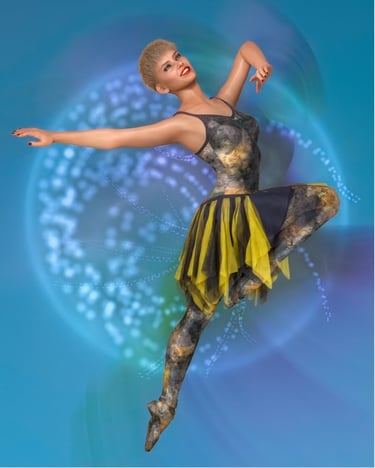
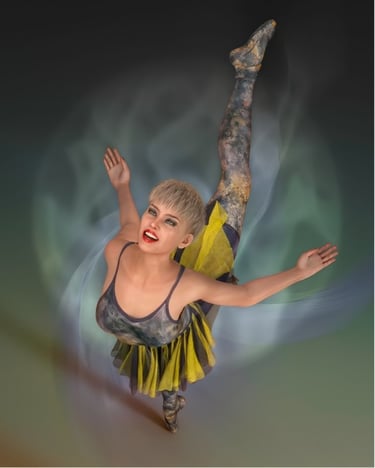
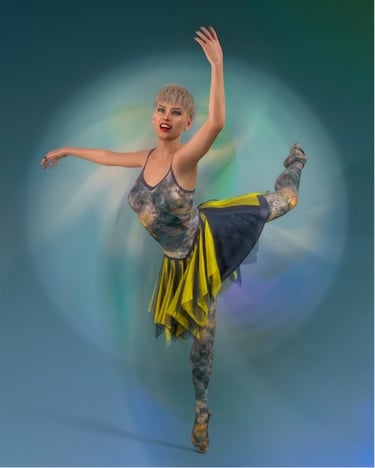
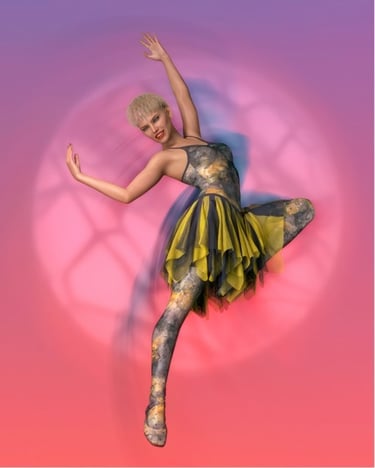
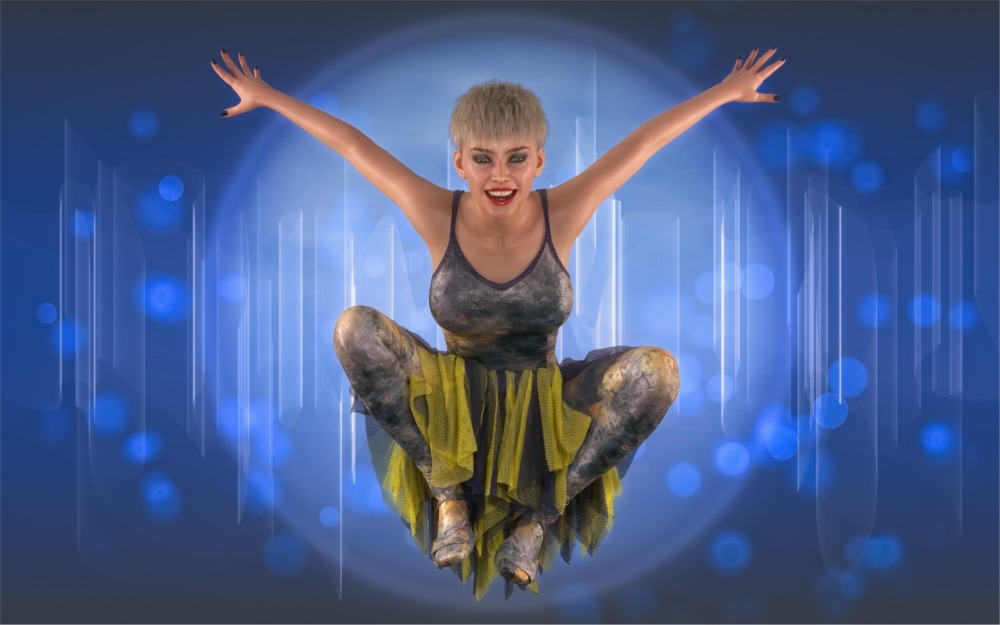
Movement As Inspiration: Dance has always been a celebration of motion, rhythm, and emotion — a living sculpture shaped by time and space. In this new series of ballerina artworks, movement becomes the muse. Each pose captures a fleeting instant of grace, suspended between energy and stillness.
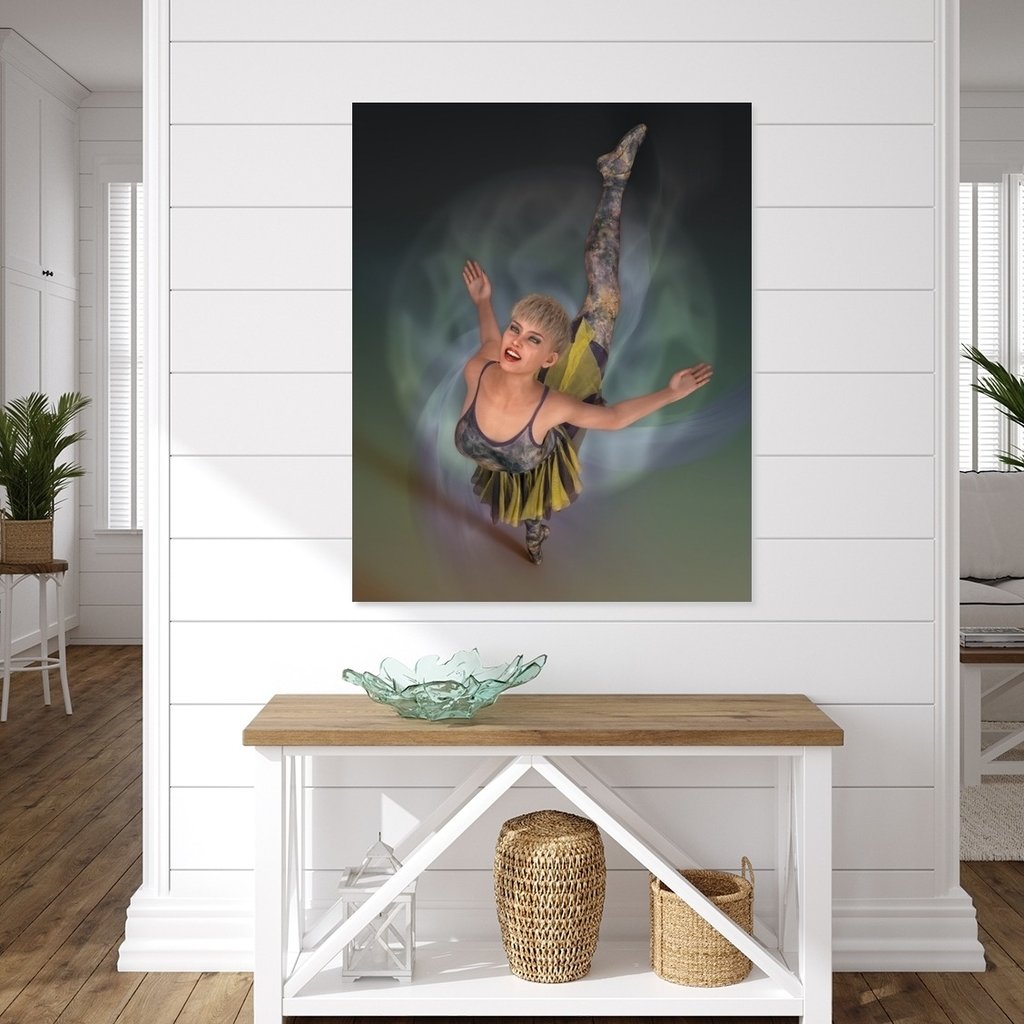
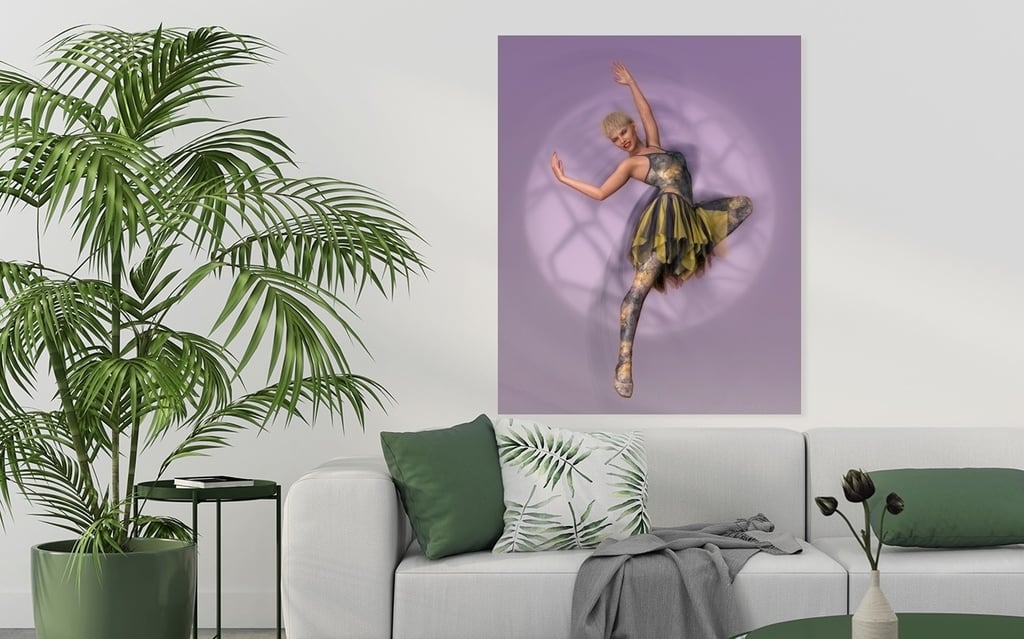
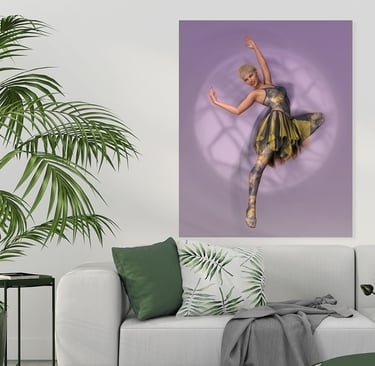
Boris FX Optics - Creating, Developing and Adding A Background For The Final Image: Boris Optics is a digital software application I use for adding background effects to images rendered with Daz Studio. The screenshot below shows settings used for the lilac coloured background of the leaping ballerina image. Although adding a background sounds like a relatively simple process, the backgrounds I produce are a result of multi layered effects that build up gradually to add a level of sophistication to the final image. This process is very creative as it involves decisions on which effects to add, and ensuring these interact sufficiently well to create an artistic and suitably aesthetic result for the final image. Add in additional considerations like masking, blending modes, and colour choices, and it is clear that getting the background right plays an important part in the final image.
Daz Studio - Creating, Developing and Rendering The Start Image: Daz Studio is a 3D software application that I use to create, develop and then produce the ballerina image, typically, this involves things like deciding which character to use (for this series, ballerina's are based on a character named Ginny. adding props like clothing and hair, selecting a suitable pose for the character, then setting up the camera and lighting for the final composition. When this is all completed satisfactorily, the image is rendered to a digital file with a transparent background for editing in a separate application, where a suitable background is added.
© Copyright Notice
All images copyright Philip Preston photography and digital art. No images by Philip Preston are in the public domain and must not be copied or used for any purpose unless agreed in advance. Use the Contact Form on this website for any enquiries about usage.
Returns And Refunds Policy