NEW: A selection of prints with free shipping and time limited 10% discount available - See Featured Product Store

Samurai Art Mosaic Portraits – A New Digital Art Series
For my latest digital mosaic project, I’ve been exploring the world of the samurai, iconic figures whose history, symbolism, and visual presence lend themselves beautifully to geometric abstraction, and I’ve now completed three Samurai art portraits using my hybrid workflow of Studio Artist, generative tools, and detailed post‑processing.
3/14/20264 min read
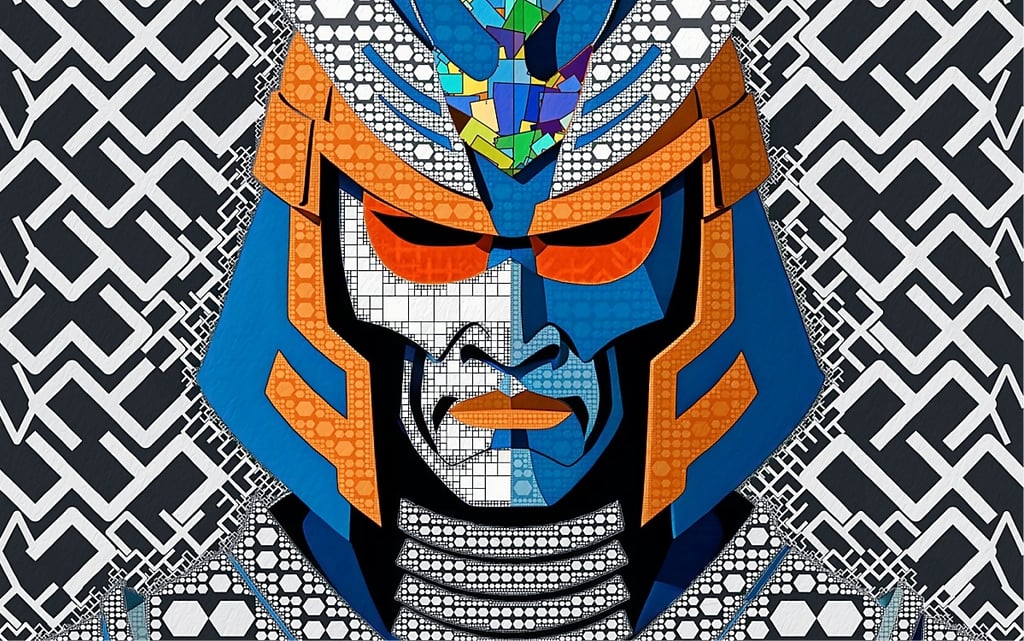
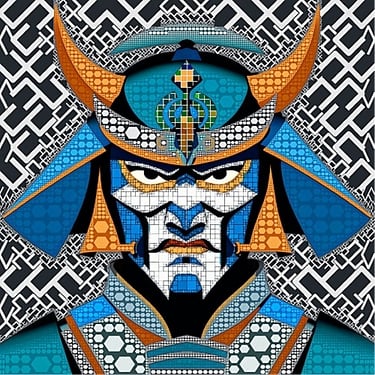
For my latest digital mosaic project, I’ve been exploring the world of the Japanese samurai — iconic figures whose history, symbolism, and visual presence lend themselves beautifully to geometric abstraction. I’ve now completed three Samurai portraits, each created using my hybrid workflow of Studio Artist, generative tools, and detailed post‑processing. Together, they form a cohesive trio that echoes the structure of my earlier Geisha series, but with a very different energy and thematic focus.
The Cultural and Historical Roots of the Samurai
The samurai emerged in Japan over a thousand years ago, evolving from provincial warriors into a powerful military class that shaped the country’s political and cultural landscape. Their influence extended far beyond the battlefield. Samurai were expected to embody discipline, loyalty, honour, and self‑control — values formalised in the ethical code known as bushidō, “the way of the warrior.”
Visually, samurai armour and helmets (kabuto) were designed not only for protection but also for psychological impact. Bold crests, dramatic horns, and intricate metalwork projected authority and presence. These elements make samurai imagery instantly recognisable and rich with symbolic meaning. Even today, samurai remain a global cultural touchstone, representing strength, resilience, and a deep connection to tradition.
Translating Samurai Iconography into Mosaic Abstraction
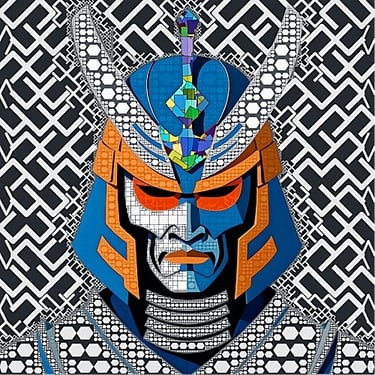
This series allowed me to push my mosaic techniques in new directions. Samurai armour is inherently geometric — plates, scales, cords, and layered structures — which makes it a natural fit for mosaic interpretation. Each portrait uses a combination of tiling patterns, including Truchet designs, hexagonal structures, and more delicate facial mosaics to create contrast and visual hierarchy.
Across the three artworks:
The backgrounds use directional or interlocking patterns that draw the viewer’s eye toward the centre.
The armour and helmets feature denser, more structural tiling to convey weight and protection.
The faces are rendered with lighter, more refined patterns to suggest vulnerability and humanity beneath the armour.
Asymmetry is used intentionally to introduce subtle tension — something that feels appropriate for warrior portraits.
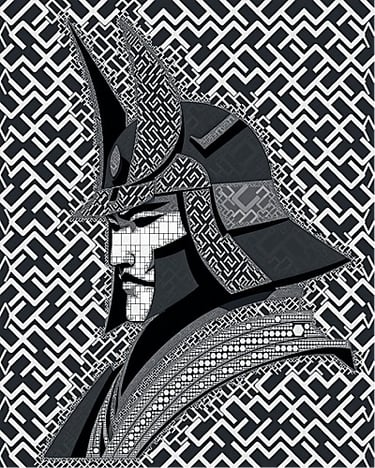
One of the three portraits is rendered in black and white, which adds a different kind of presence to the collection. Without colour, the emphasis shifts entirely to structure, pattern, and form, highlighting the underlying geometry of the mosaic technique. This monochrome piece introduces a clean, modern aesthetic and can be paired with either of the colour portraits for a striking duo, or displayed alongside both as part of a cohesive trio. The shared tiling patterns unify the set, while the black‑and‑white palette adds versatility for a range of interior styles.
These artworks use precise and detailed tiling for the mosaic patterns that fit beautifully to the outlines of the various shapes used in each image. To get a close up view of the precision details, click the image below to see a cropped section from one of the samurai mosaics.
Samurai Imagery as Contemporary Wall Art
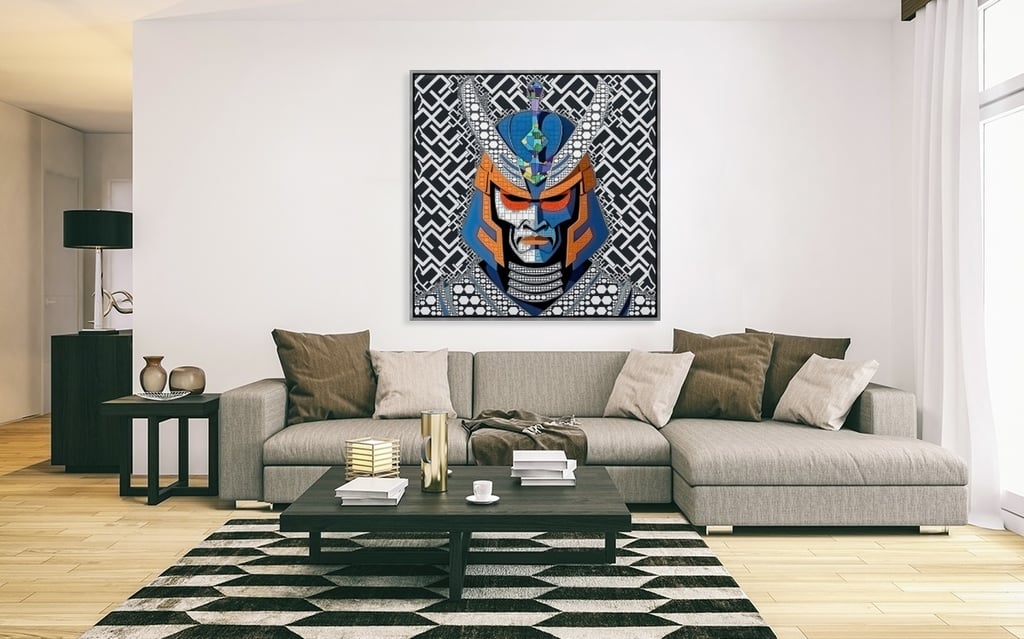
Samurai portraits have long been popular in interior design, but the mosaic approach gives them a fresh, modern twist. The combination of historical subject matter and contemporary geometric abstraction makes these artworks versatile for a wide range of spaces.
In homes, they can bring:
a sense of strength and calm to living rooms
a bold focal point in hallways or stairwells
a touch of cultural sophistication to study or creative spaces
In offices, samurai imagery often resonates with themes of discipline, focus, and determination — qualities many people like to surround themselves with in professional environments. The geometric mosaic style adds an extra layer of visual interest, making the pieces suitable for modern interiors, minimalist spaces, or design‑led workplaces.
Because the three portraits are stylistically aligned but individually distinct, they work particularly well as a triptych or grouped arrangement. They can be displayed in a row, staggered vertically, or placed in different rooms to create a thematic thread throughout a space.
Pairing Samurai and Geisha Mosaic Portraits
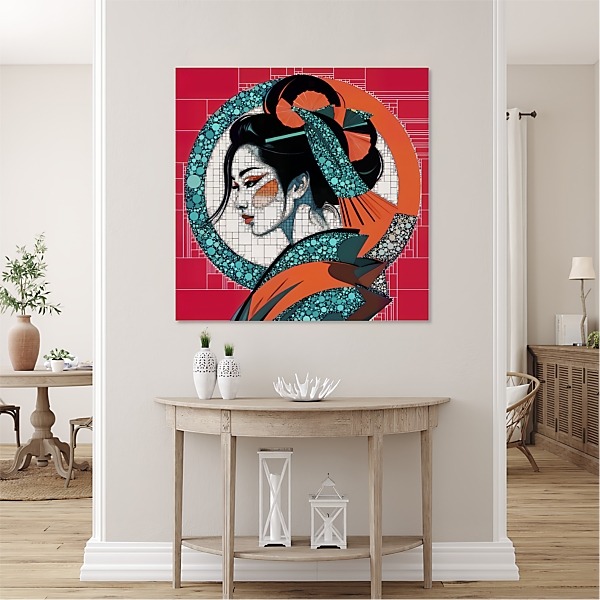
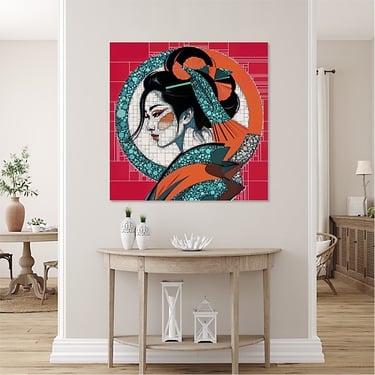
These Samurai mosaics also pair beautifully with my earlier Geisha mosaic series. The shared geometric language and mosaic structure create a natural harmony between the two themes. Collectors can mix and match across both series to create personalised pairings or larger curated arrangements.
Closing Thoughts
This Samurai series has been a rewarding project — both creatively and technically. It allowed me to explore new pattern combinations, refine my approach to visual hierarchy, and engage with a subject rich in cultural meaning. I’m pleased with how the three portraits complement one another, and I look forward to seeing how they resonate with viewers and collectors.
All three artworks are now available as prints through my Fine Art America store, and I’ll continue to share updates on future mosaic projects here on the blog.


© Copyright Notice
All images copyright Philip Preston photography and digital art. No images by Philip Preston are in the public domain and must not be copied or used for any purpose unless agreed in advance. Use the Contact Form on this website for any enquiries about usage.
Returns And Refunds Policy