
Wall Art Prints - Buying, Displaying, and Looking After Them
On philippreston.uk, wall art prints are available in four main print formats — framed, canvas, acrylic, and metal (posters and wood prints are also available). Each brings its own personality and visual impact. For buyers new to these options, this guide breaks down the differences and offers practical advice on choosing the right size, hanging your artwork safely, and caring for it so it lasts beautifully for years.
1/10/20263 min read
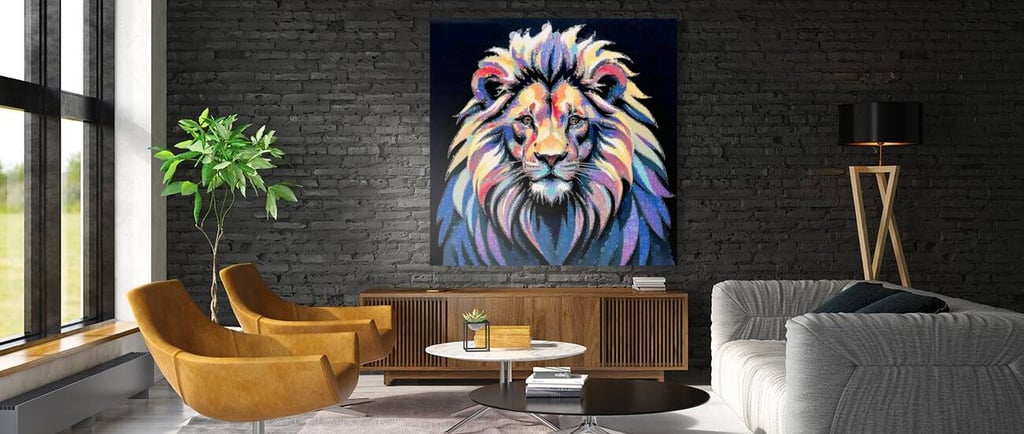
When someone falls in love with a piece of art, the next question is often how they want it to live in their space. On philippreston.uk, your artwork is available in four distinct print formats — framed, canvas, acrylic, and metal. Each brings its own personality, texture, and visual impact. For buyers who may be new to these options, this guide breaks down the differences and offers practical advice on choosing the right size, hanging your artwork safely, and caring for it so it lasts beautifully for years.
Understanding Different Print Formats
1. Framed Prints
Framed prints are the most traditional and versatile option. They offer:
A classic, gallery‑ready presentation
A protective barrier between the print and the environment
A choice of frame colours to complement your décor
Framed prints work beautifully in living rooms, hallways, bedrooms, and offices — anywhere you want a polished, timeless look. They’re also ideal for gifts because they arrive ready to hang.
2. Canvas Prints
Canvas prints have a warm, textured, painterly feel. They are:
Printed on stretched canvas over a wooden frame
Lightweight and easy to hang
Matte in finish, reducing reflections
Canvas is perfect for landscapes, abstract pieces, and anything that benefits from a softer, more organic presentation. They suit cosy interiors, modern homes, and large statement walls.
3. Acrylic Prints
Acrylic prints are all about clarity and vibrancy. They feature:
A high‑resolution print mounted behind crystal‑clear acrylic
A glossy, luminous finish
A sleek, contemporary look
Acrylic enhances colour saturation and contrast, making it ideal for bold, high‑impact artwork. It’s a favourite for modern interiors, kitchens, and bright spaces where you want the art to pop.
4. Metal Prints
Metal prints offer a striking, ultra‑modern aesthetic. They are:
Printed directly onto aluminium
Durable, lightweight, and resistant to moisture
Slightly reflective with a smooth, clean finish
Metal prints are excellent for vivid artwork, minimalist spaces, and rooms where durability matters — such as bathrooms or high‑traffic areas.
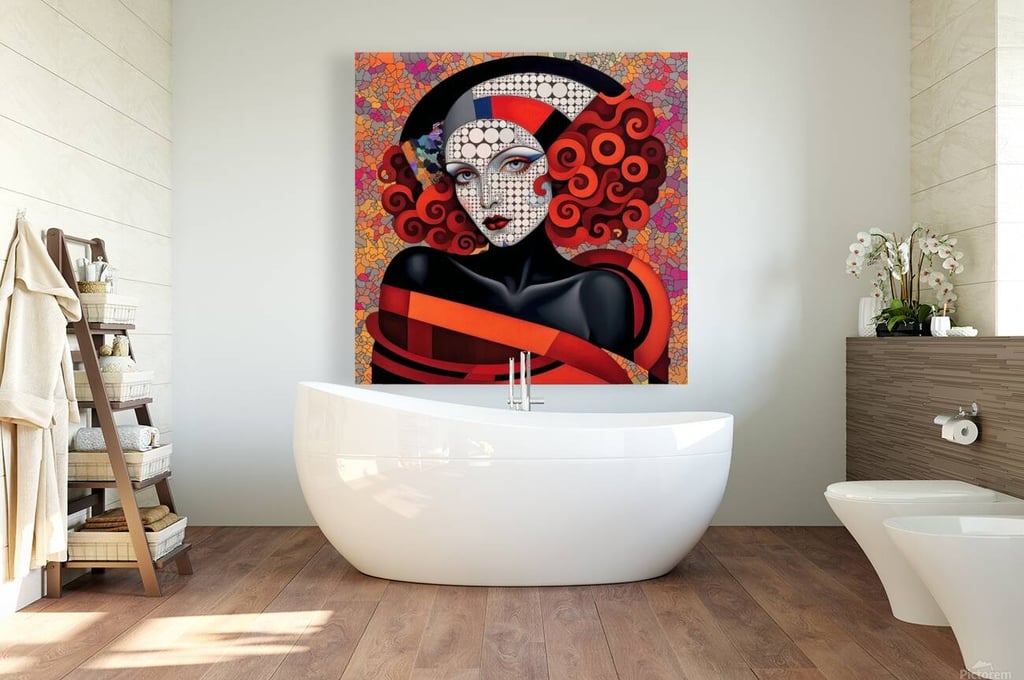
Choosing the Right Size for Your Space
Selecting the right size can make the difference between a piece that feels lost and one that transforms a room.
Measure the wall space
A simple rule:
Leave 15–25 cm of breathing room around the artwork
For large walls, go bigger than you think — most people underestimate visual impact required
Consider furniture placement
Artwork should relate to the objects around it:
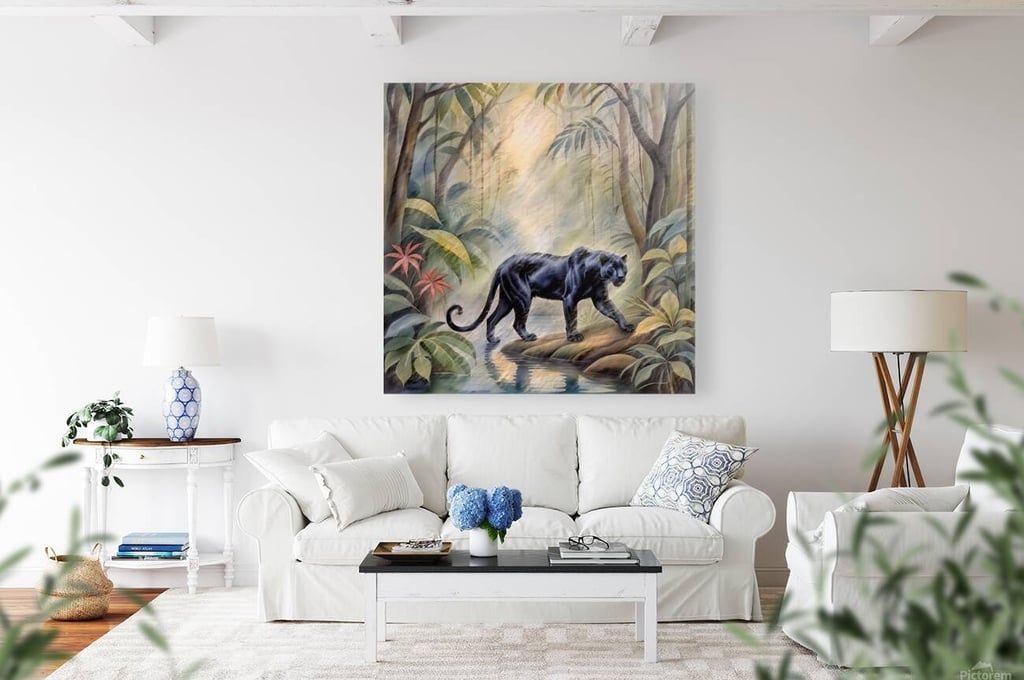
Above a sofa or bed: aim for two‑thirds the width of the furniture
In a hallway: tall, narrow pieces work well
In a dining room: choose prints that sit at eye level when seated
Think in groups
Smaller size may be better than bigger size
If a single large print feels overwhelming, a pair or trio can create balance.
Canvas and framed prints are especially good for gallery‑wall arrangements.
How to Hang Artwork Properly
A beautifully printed piece deserves to be displayed safely and securely.
General hanging tips
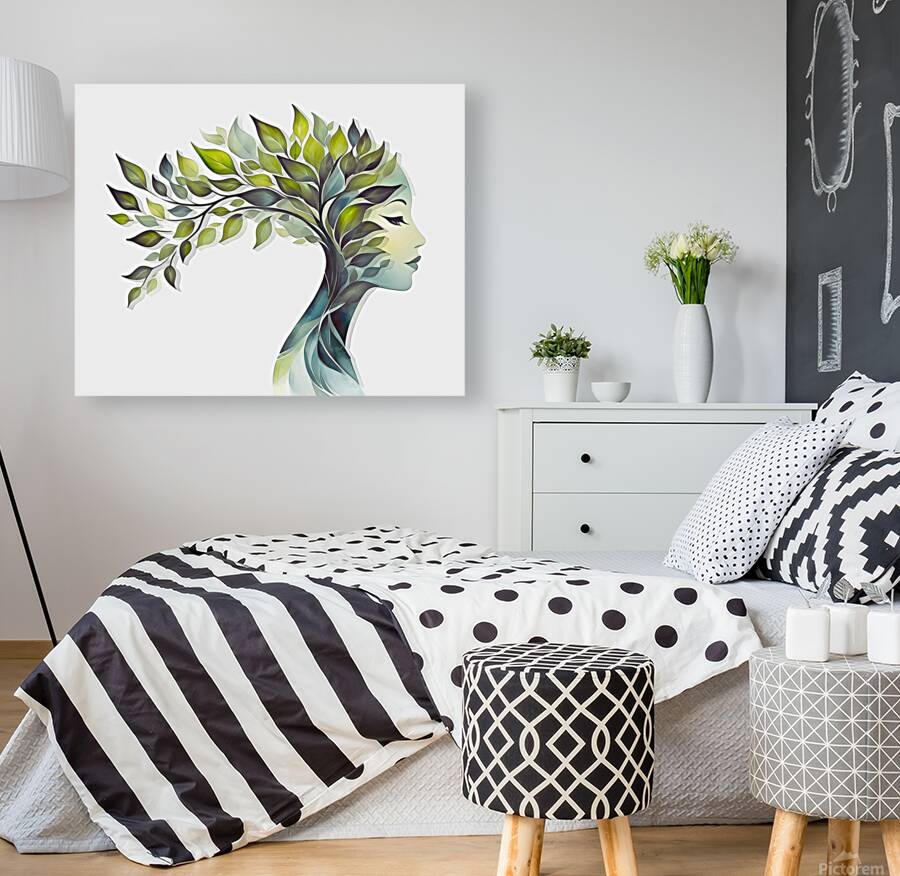
Hang artwork at eye level — roughly 145–155 cm from the floor to the centre
Use a spirit level to avoid the dreaded “tilted frame”
For heavier acrylic or metal prints, use wall anchors or screws rather than simple nails
Spacing for multiple pieces
Leave 5–10 cm between artworks in a gallery wall
Align either the tops, bottoms, or centres for a cohesive look
Avoid direct sunlight
Even the most durable prints can fade over time if exposed to strong UV light.
If sunlight is unavoidable, metal and acrylic prints offer the best resistance.
Caring for Your Art Prints
Each print type has slightly different care needs, but all are easy to maintain with a little attention.
Framed prints
Dust the frame regularly with a soft cloth
Clean the glazing (glass or acrylic) with a non‑abrasive cleaner
Avoid spraying directly onto the surface — spray the cloth instead
Canvas prints
Dust gently with a dry microfiber cloth
Avoid moisture — canvas can warp if exposed to damp environments
Keep away from heat sources like radiators
Acrylic prints
Use a microfiber cloth to avoid scratching
Clean with mild soap and water — never ammonia‑based cleaners
Handle by the edges to prevent fingerprints
Metal prints
Wipe with a soft, damp cloth
Suitable for humid rooms, but avoid abrasive pads
Store upright if not hanging to prevent bending
Which Format Should You Choose?
Ultimately, the best choice is the one that resonates with your personal taste and the atmosphere you want to create in your home.
© Copyright Notice
All images copyright Philip Preston photography and digital art. No images by Philip Preston are in the public domain and must not be copied or used for any purpose unless agreed in advance. Use the Contact Form on this website for any enquiries about usage.